Puma Tracking & Patagonian Wildlife — Full Day from Puerto Natales

Difficulty

Moderate

Duration

10–12 hours from pickup to return

Place

Torres del Paine National Park, Puerto Natales area

Season

18 km

Mode

Private · From USD850

A private day in the steppe with a specialist wildlife guide, tracking Patagonia's apex predator and reading the whole ecosystem around it.

The search begins before dawn.

You are in the vehicle before first light.

Your guide works a thermal scope as the light rises, in radio contact with other trackers in the sector.

By the time there is enough light for binoculars, he usually has a theory about where the day should go.

What follows is not a schedule. It is a search.

Tracking a puma means learning to read a landscape written by other animals. Guanacos, their alarm calls.

Condors circling low, signalling a carcass below.

Tracks, scrapes, the behaviour of foxes and skunks. All of it teaches.

The steppe is full even when the puma is not.

Guanaco herds in the hundreds. Andean condors, Darwin’s rheas, black-necked swans.

Behind it all, geology that took twelve million years to arrive at the shape you see.

Midday you rest. The protocol requires it.

The animals need hours when nobody is looking for them.

Late afternoon you go back out for the last stretch.

The day runs ten to twelve hours door to door, depending on season.

Highlights

puma-tracking-torres-del-paine-ecordua-travel24
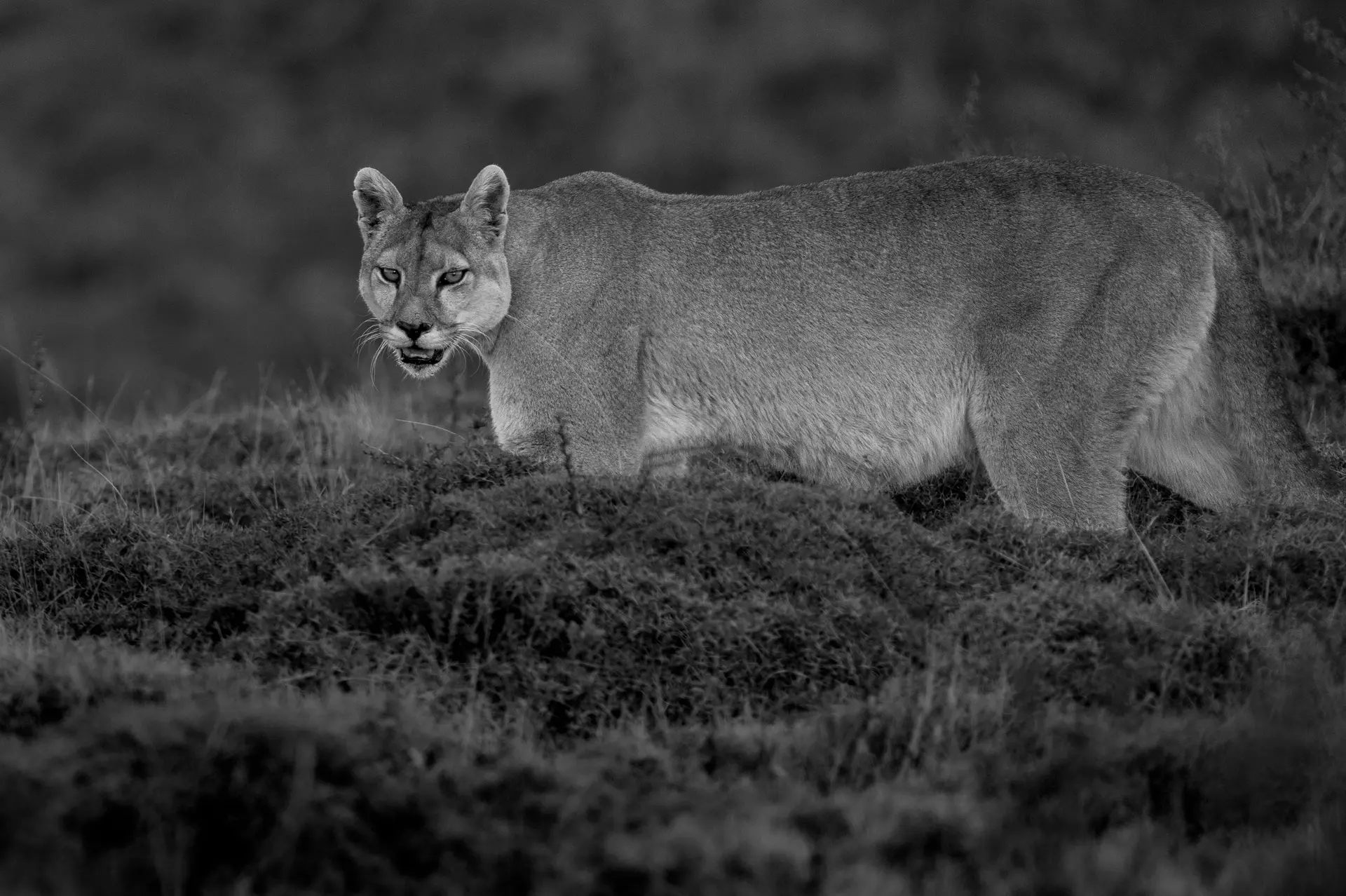
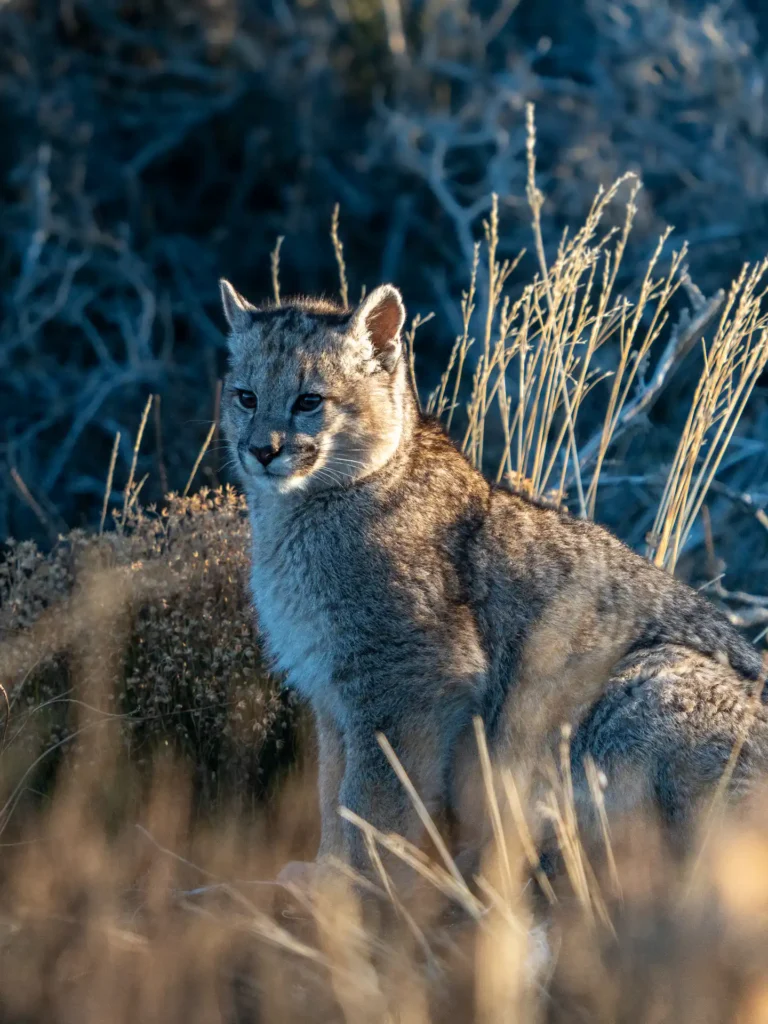
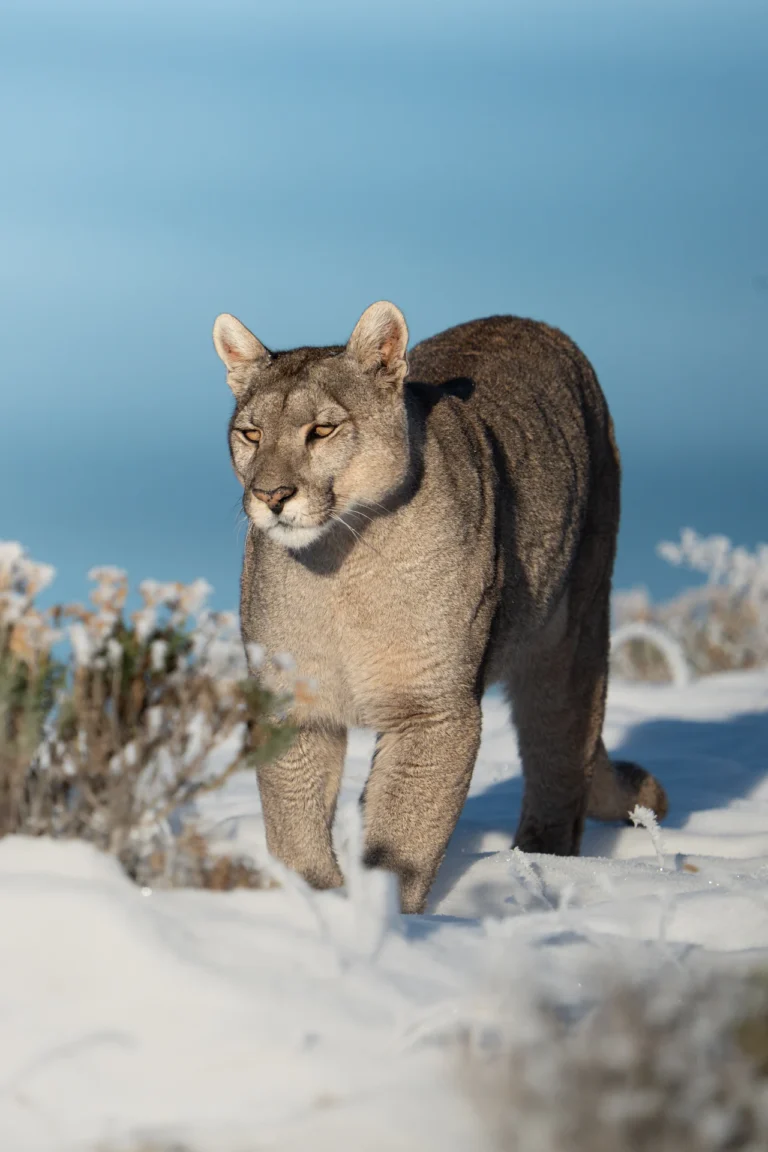
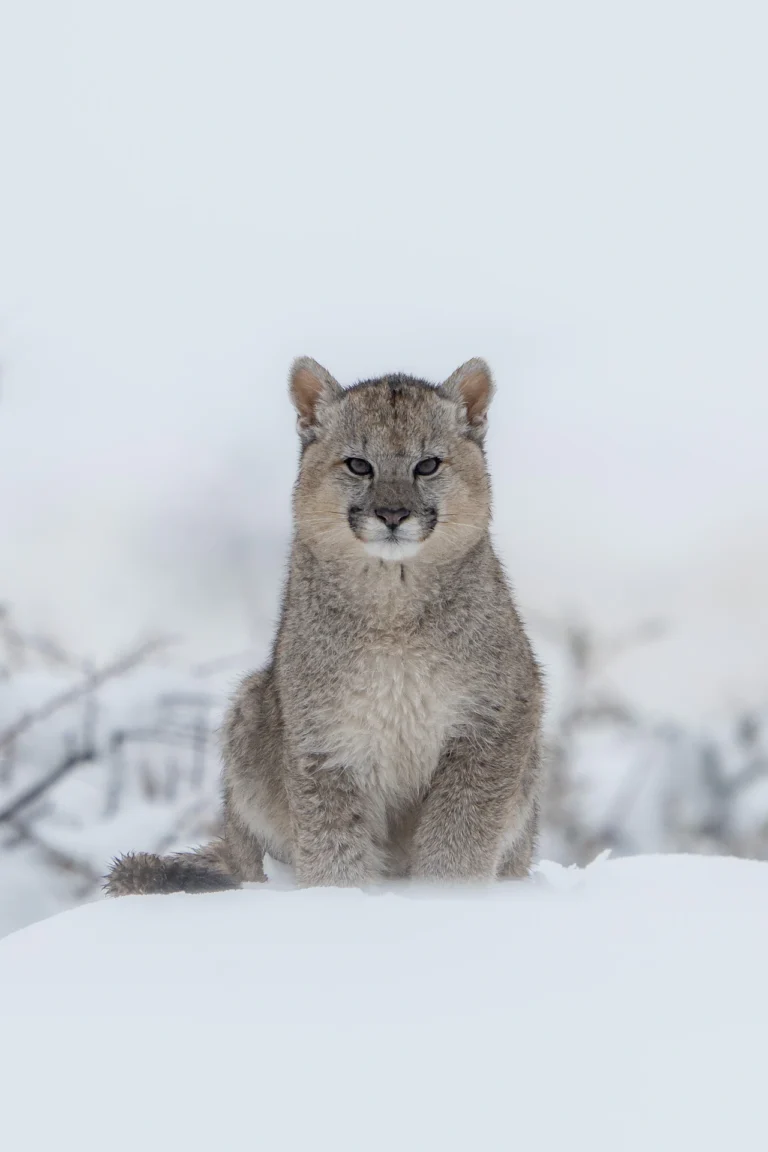
Torres del Paine holds one of the highest concentrations of pumas in the Americas, under continuous observation by a network of local trackers in radio contact.
puma-tracking-torres-del-paine-ecordua-travel24
Guanaco behaviour, condor patterns, tracks, geology, flora and natural history. Understanding the steppe is what makes the moment matter.
puma-tracking-torres-del-paine-ecordua-travel24
Your guide is a bilingual wildlife specialist trained in wilderness first aid and registered to guide in the park. He works with the puma trackers association and is passionate about interpreting the landscape.
puma-tracking-torres-del-paine-ecordua-travel24
Guanaco, huemul, Andean condor, Darwin's rhea, culpeo and grey fox, Patagonian skunk, armadillo, black-necked swan, Chilean flamingo, upland goose and Magellanic woodpecker.
puma-tracking-torres-del-paine-ecordua-travel24
We operate within a formal protocol published in full, in English and Spanish, and we share it with you. Minimum distances, group limits, permitted hours and prohibited practices are all clear before you book.

Itinerary

Early morning pickup — 04:00–08:00 depending on season

From your hotel in Puerto Natales, or from your hotel inside the park at no additional cost.

Sunrise approach

Your guide works the thermal scope as light rises, in radio contact with other trackers. The steppe comes alive.

Morning field search

Vantage points, slow scanning, reading animal behaviour. Observation from established roads and authorised stopping points. Mid-morning coffee break.

Midday — lunch and rest

A pause to eat and to leave the country quiet. Both matter.

Early afternoon

Back out for the last stretch. If the morning was productive you can go deeper into specific ecosystems. If not, you keep working the sector. This is the shorter half of the day; the morning is where the hours are.

Return

Back at your hotel late afternoon. The full day, approximately 10–12 hours door to door.

This itinerary is flexible.

The route and stops are decided each morning based on where the animals are, what the weather is doing, and what you want out of the day.

puma-tracking-torres-del-paine-ecordua-travel24
Joaquin was well prepared and very knowledgeable to identify the birds. Camila at Ecordua was very flexible on the day, converting our full day booking into a half day and promptly refunding the difference.
Guest
Birdwatching tour

Everything you need to know

puma-tracking-torres-del-paine-ecordua-travel24

Included

  • Private specialist wildlife guide (English, Spanish)
  • Private 4WD vehicle
  • Round-trip transport from your hotel
  • Box lunch and mid-morning coffee or tea
  • Spotting scope and binoculars (available; most guests bring their own)
  • Trekking poles
  • Guide’s field notes shared after the day
  • Private property entrance fees


Not included

  • Torres del Paine National Park entrance fee (purchased in advance at pasesparques.cl)
  • Dinner
  • Accommodation
  • Travel insurance (recommended)
  • Gratuities

Who is this for?
Travellers who want to understand a place, not just photograph it. If you own binoculars and have done Alaska or the Serengeti and know the difference between a good guide and a driver, this will be one of the best days of your trip.

Sighting probability
Torres del Paine holds one of the highest concentrations of pumas in the Americas. Sightings are common but never guaranteed — that’s part of what makes the search meaningful. October to November and March to May tend to combine good animal activity with fewer vehicles.

Physical requirements
Moderate. Most observation is from the vehicle or within short walking distance on uneven ground. The real demand is standing still in cold wind for extended periods.

What to bring
Neutral-coloured outer clothing (brown, grey, olive or camo), thermal layers, windproof and waterproof shell, sturdy trekking boots, sun protection, water (1–1.5L reusable), camera with telephoto 400mm+, tripod or monopod, spare batteries and cards.

Will we see a puma?
Possibly, and often. But no responsible operator can promise it. What we can promise is a full day in prime puma country with a specialist tracker, professional optics and a real-time network of guides working the same sector. Most guests see one. Some see several. Some see none and still describe the day as a highlight.

What if I only have one day?
Better odds than most expect. A second day changes the arithmetic significantly, and every specialist operator in the region will tell you the same. If your schedule allows, a two-day programme is ideal.

How close do we get to the puma?
Fifty metres minimum, measured with a rangefinder; a hundred metres when an animal is moving, hunting, or with cubs. This is why a long lens matters. At that distance the animal behaves normally rather than reacting to you.

Is this suitable for children?
The regional protocol sets a firm minimum age of fourteen for puma viewing — this is a regulatory requirement, not a company policy.

Can the itinerary be customized?
Absolutely. This is a flexible experience. We adapt to your interests, pace, and what matters to you.

Can we pick up from a hotel inside the park?
Yes, for Las Torres, Río Serrano, Pehoé and similar, at no extra cost. Your pickup time is confirmed the day before.

One percent of every Ecordua booking goes to environmental organizations through our membership in 1% for the Planet.

Our guide independently contributes one percent of every tour to wildlife conservation and rehabilitation initiatives in Chile.

Puma tourism has done something unusual in this region: it has given sheep ranchers an economic reason to tolerate an animal they once shot on sight.

Done badly, it displaces the animals it depends on.

Done within the protocol, it is one of the better arguments for the cat’s continued existence.


Duration10–12 hours
Departure04:00–08:00, confirmed the day before
PickupYour hotel in Puerto Natales or inside the park
GroupPrivate, maximum 3 guests
Minimum age14 years
SeasonYear-round
LanguagesEnglish, Spanish
FitnessModerate
PriceUSD 850 (1pax)
puma-tracking-torres-del-paine-ecordua-travel24

Do you still have doubts?

Don’t worry, we are here to help you.

Write to us and we will respond to you as soon as possible.

Also, download our brochure with all the details about this tour, including itineraries, recommendations and what you need to know to fully enjoy this experience.