In Mediterranean climates, characterized by brief and increasingly dry winters and long, extremely dry summers, lies a unique ecosystem: the sclerophyllous forest.
This type of forest, characteristic of central Chile, stands out for its remarkable ability to adapt to harsh conditions, including poor and eroded soils, limited water availability for much of the year, and wide temperature fluctuations between day and night.
Its importance lies not only in its ecological uniqueness but also in the ecosystem services it provides and the threats it faces.
How It Survives the Mediterranean Climate
The trees and shrubs of the sclerophyllous forest are incredibly adapted to the climatic conditions of central Chile.
Their leaves, evergreen and tough in texture, are coated with a waxy layer called the cuticle, which minimizes water loss through evapotranspiration.
Additionally, they have long, deep roots that allow them to access underground water tables, making them less reliant on rainfall. This adaptation enables them to endure significant climatic variability, both in terms of temperature and water availability.
The Species That Make It Up
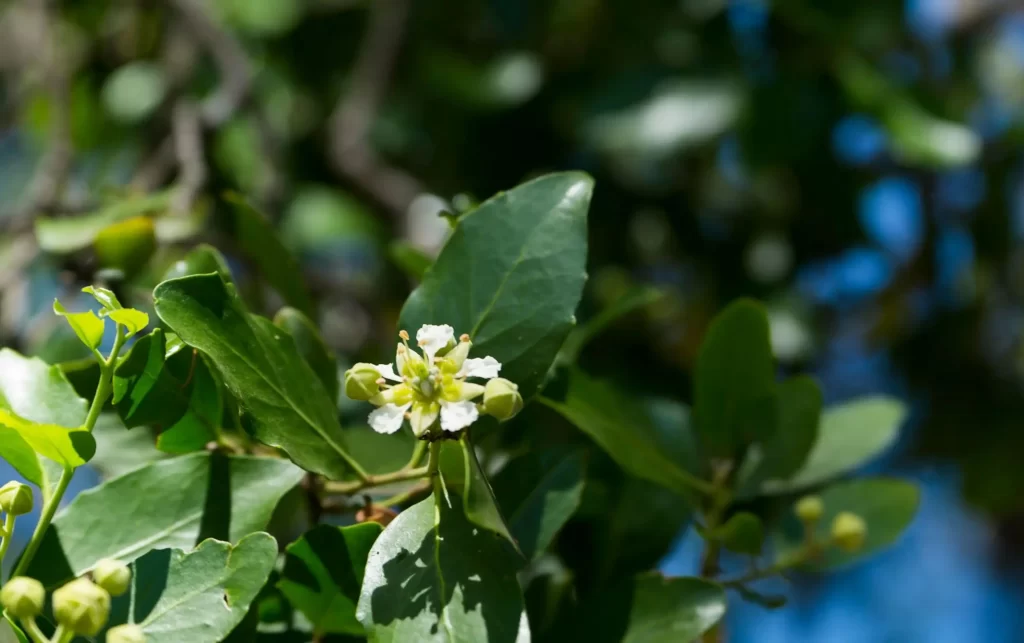
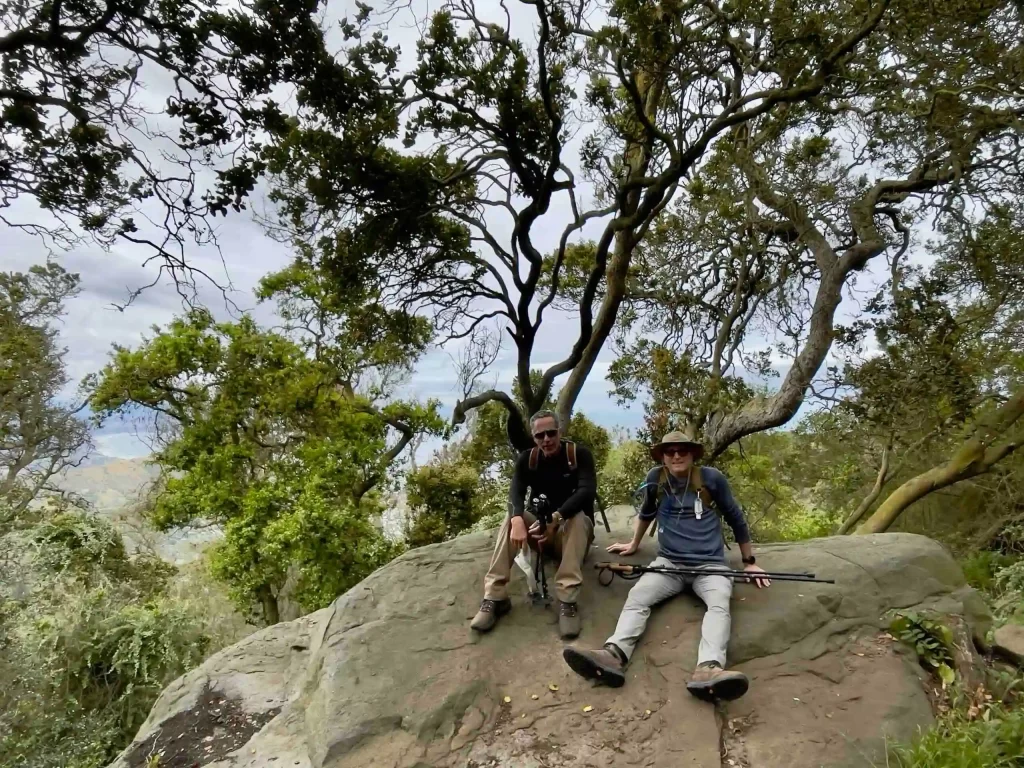
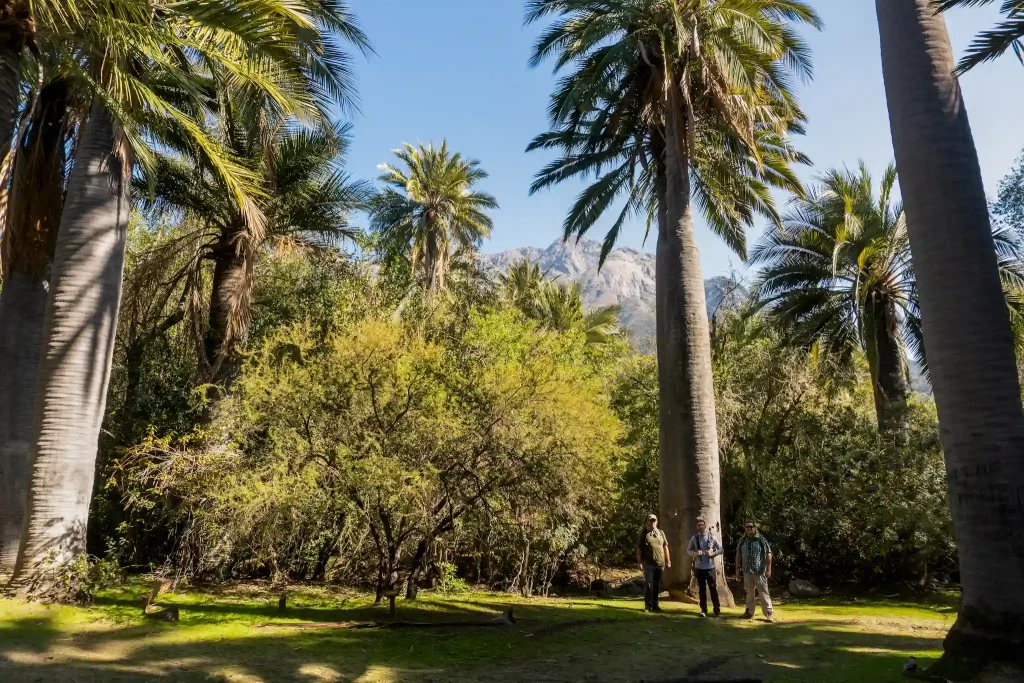
Among the most representative species of this ecosystem are the quillay, peumo, litre, boldo, maitén, espino, and the iconic Chilean palm.
These plants create a landscape of tall trees and shrubs on humid, shady slopes, while on drier, sun-exposed slopes, succulent and cactus species dominate, along with some deciduous trees that shed their leaves in the summer.
What This Forest Gives Us
The sclerophyllous forest is home to hundreds of endemic species found nowhere else on Earth. Moreover, it provides numerous essential ecosystem services, such as clean air production, climate regulation, and the promotion of human well-being.
These forests connect people with nature, fostering health and spirituality. Despite its significance, the sclerophyllous forest is one of the most threatened ecosystems on the planet.
Why It Is Under Threat
The expansion of agricultural lands, uncontrolled urbanization, and wildfires have drastically reduced the sclerophyllous forest’s range.
Furthermore, the mega-drought affecting central Chile, coupled with rising temperatures, has led to an increase in tree mortality. Today, primary sclerophyllous forests—those that have not been significantly altered by human activity—are extremely scarce.
Protecting the sclerophyllous forest is crucial to ensuring ecological balance and preserving the services it offers.
Efforts such as creating protected areas, reforesting with native species, participating in conservation programs, or supporting local communities all contribute to its preservation.
This ecosystem is not only a haven for biodiversity but also an invaluable source of benefits for human communities.
We invite you to discover, explore, and care for these unique forests. At Ecordua, we believe that connecting with nature is the first step toward its conservation.
Where to See It Near Santiago
You don’t need to travel far. The best accessible remnants are all
within two hours of Santiago.
– La Campana National Park: the best-preserved sclerophyllous forest in the country, and the only place with a Chilean palm grove at scale. A UNESCO Biosphere Reserve since 1984.
– El Boldo Park, Zapallar: a coastal forest fed by the camanchaca fog, with mature boldo and peumo trees.
– The lower slopes of Sierra de Ramón: on the way up Cerro Provincia, up to around 1,400 m you walk among litre, quillay and
espino.
– The ravines of Cajón del Maipo: on the south-facing slopes, which hold the most moisture.
💡 In summer the forest looks dry and lifeless. That’s an illusion, it’s in water-saving mode. The best time to see it active is September to November, when it flowers.
Want to See It for Yourself?
At Ecordua we walk these forests year-round and know their different faces: the litre that burns your skin, the quillay in yellow bloom, the palm that survived the axe.
– A full day in La Campana National Park, the best-preserved sclerophyllous forest in Chile
– Native flora interpretation: species identification in the field, not from photos
– Small groups, with a pace set by the group
– A direct contribution to conservation: we are part of 1% for the Planet