Antarctica is not just a destination – it is an entire continent devoted to nature.
You will not find cities or roads here, only ice, ocean, and wildlife in its purest form.
Visiting Antarctica is accepting a unique invitation: to witness landscapes that look like another planet, to be among penguins and humpback whales, to walk on snow, and to feel the smallness of humankind against the immensity of the world.
Those who come here agree: more than a trip, it is a transformative experience.
A place where nature sets the pace, sunrises seem endless, and silence becomes the main character.
Where is it and why visit?
Antarctica lies at the southernmost end of the planet, beyond the austral tip of South America.
It is accessed mainly from Punta Arenas, Chile, or Ushuaia, Argentina.
It’s a journey for those seeking adventure, disconnection, and contact with the purest nature.
When to travel to Antarctica
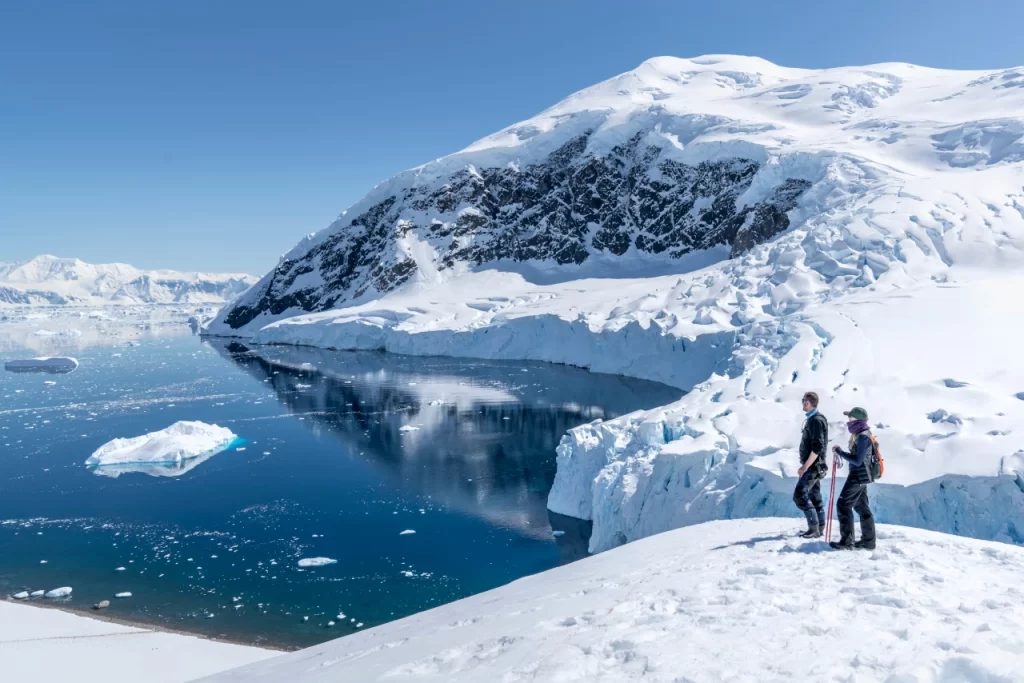
The austral summer (November to March) opens the doors to the White Continent.
During these months, the sea ice melts, allowing expedition ships to arrive, days stretch to almost full daylight, and wildlife flourishes.
- November – December: landscapes still untouched by melting ice, bright glaciers, and the first penguin colonies incubating eggs.
- December – January: the most active season, with thousands of chicks hatching and pleasant temperatures that invite more landings.
- February – March: ideal for spotting whales feeding in krill-rich waters and for sunsets that paint the sky in vivid colors.
💡 Each month offers a different Antarctica… and all are equally majestic.
Wildlife highlights by season
Antarctica is one of the best places on Earth to observe wildlife in its natural habitat.
Penguins
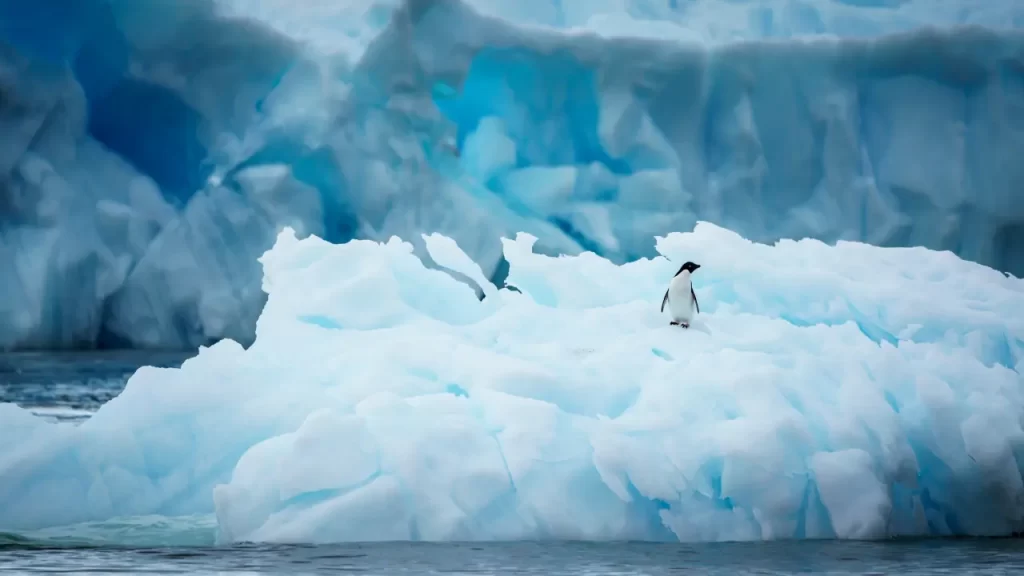
- Adélie, Chinstrap, and Gentoo: common in the Peninsula, nesting in November and feeding chicks in December and January.
- King Penguins: abundant in South Georgia, with colonies numbering in the hundreds of thousands.
Seals
- Elephant Seals: in South Georgia and King George Island.
- Crabeater, Weddell, and Leopard Seals: resting on ice floes in the Peninsula.
Whales
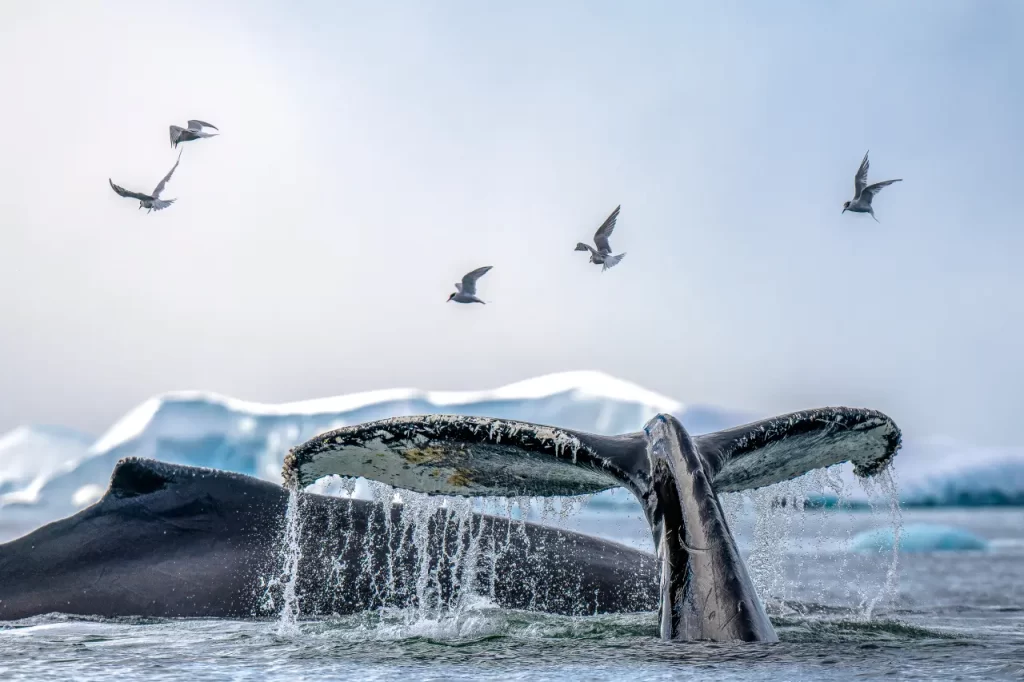
- Humpback, Minke, and Orcas: more frequent between February and March, when the sea is rich in krill.
Seabirds
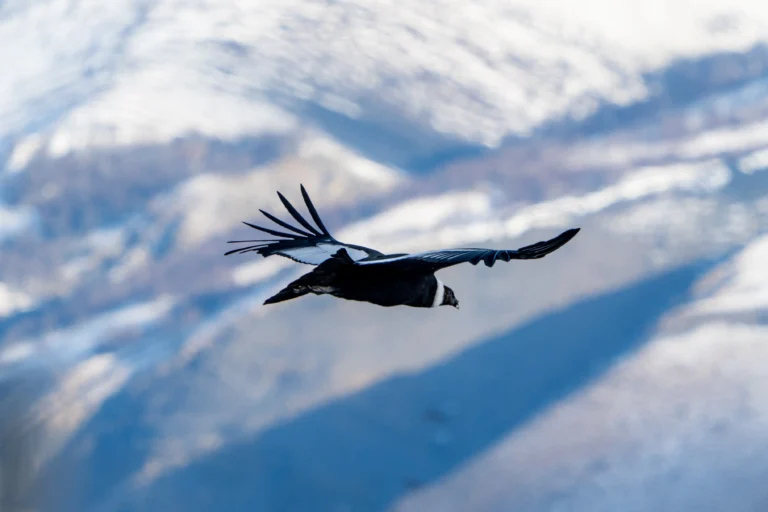
- Albatrosses, Petrels, and Skuas accompany ships and soar over the glaciers.
💡 Every expedition offers unique wildlife encounters.
Must-see places
- Antarctic Peninsula: the heart of most expeditions, with narrow fjords, towering glaciers, and life-rich waters.
- Deception Island: an active volcano where seal-hunting history meets thermal waters and stark landscapes.
- Port Lockroy: a former British base turned museum and post office, preserving the life of polar explorers.
- South Shetland Islands: the aerial gateway to Antarctica, home to elephant seal colonies and breathtaking views.
- South Georgia: with thousands of king penguins, seal-covered beaches, and greener mountains contrasting with the ice.
- Antarctic Circle: crossing latitude 66° south, the ultimate symbol of adventure.
Activities in Antarctica
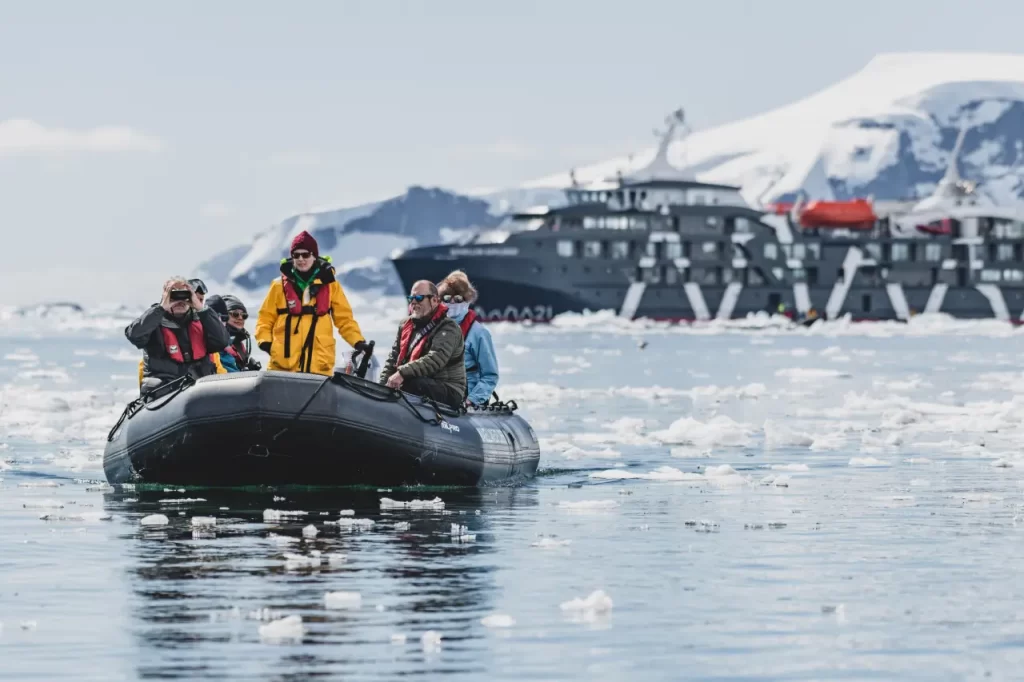
Expeditions combine different ways to explore: zodiac excursions, walks on land, and panoramic navigation – always with the chance for encounters and landscapes that will stay in your memory.
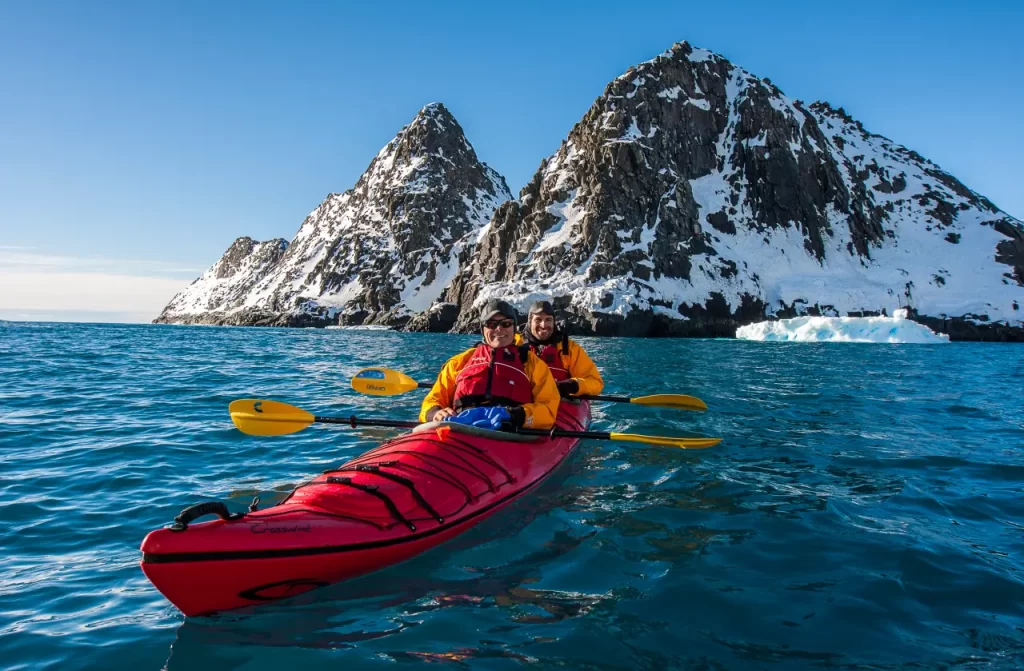
- Kayaking among icebergs: paddling silently between blue ice blocks as curious penguins swim alongside.
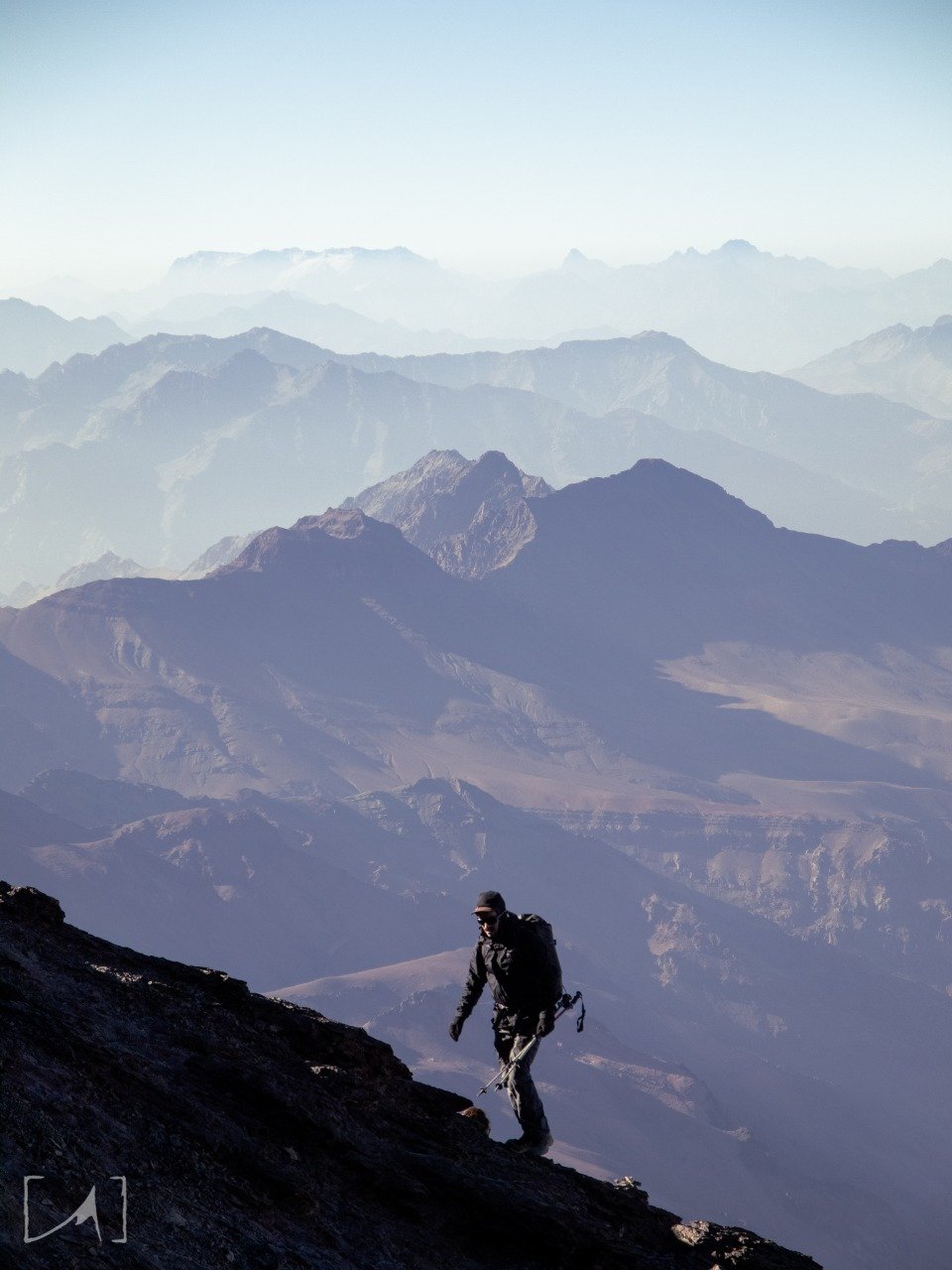
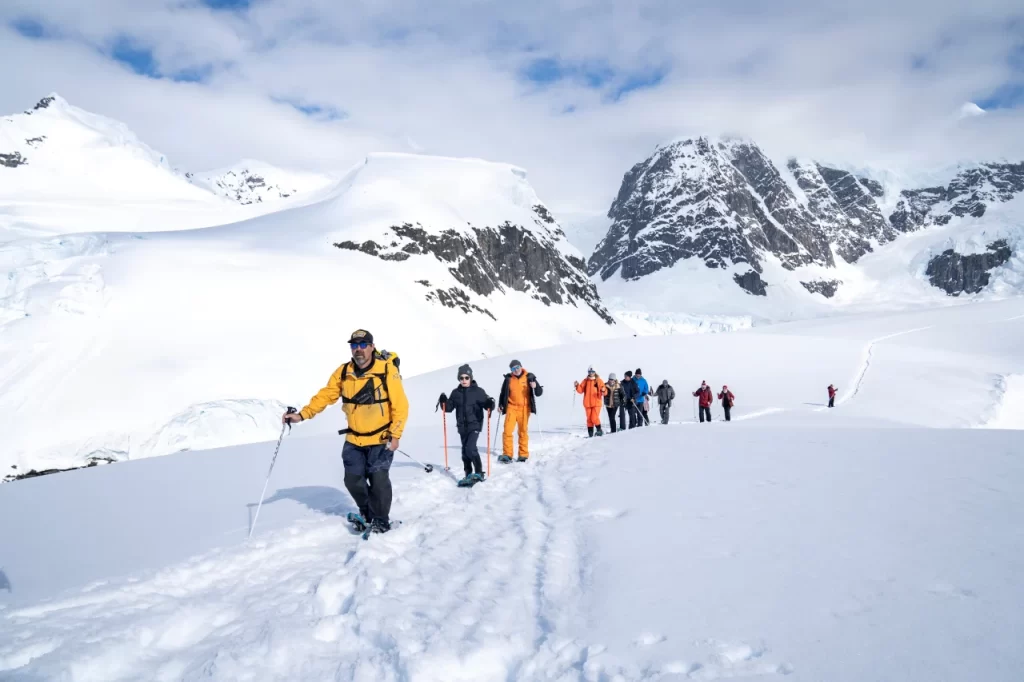
- Snow walks and trekking: exploring the white terrain on foot, stopping before penguin colonies, or listening to the echo of a calving glacier.
- Polar Plunge: a jump into icy waters – both a physical challenge and a statement of adventure.
- Whale watching: seeing a humpback surface beside your vessel is an experience of humility and wonder.
- Wildlife photography: unique scenes every day, from emperor penguins in line to seabirds gliding over glaciers.
- Zodiac landings: getting close to ice walls, seals resting on floes, and landscapes that change around every bend.
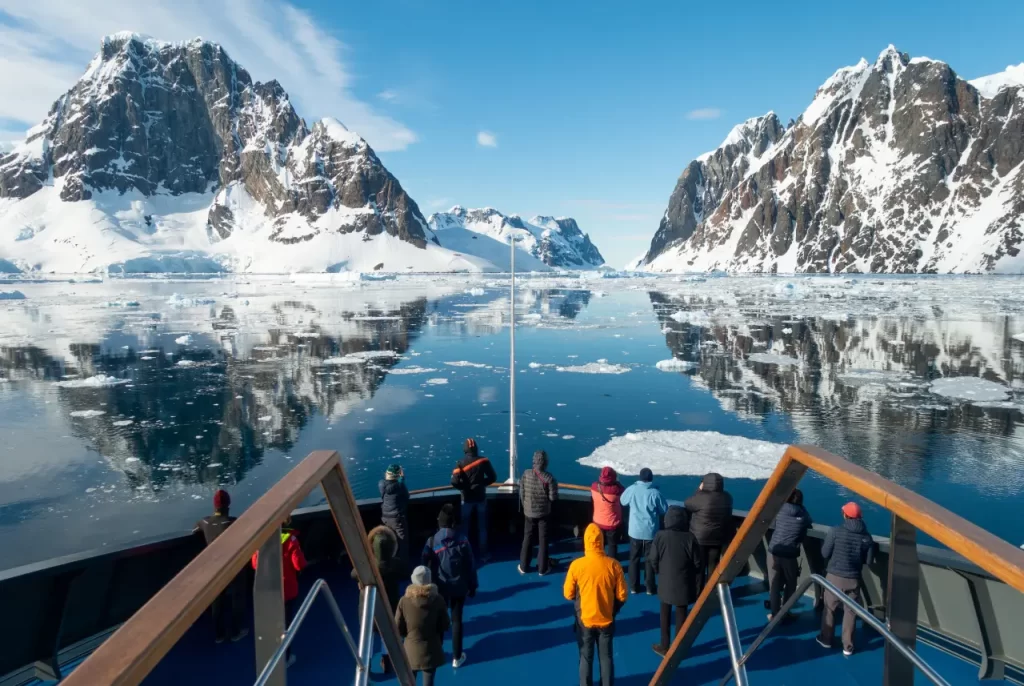
💡 Traveling to Antarctica is not just about observing – it’s about living it firsthand.
How to get to Antarctica
Most expeditions begin in Punta Arenas, at the southern tip of Chile.
From here, there are two main ways to reach the continent:
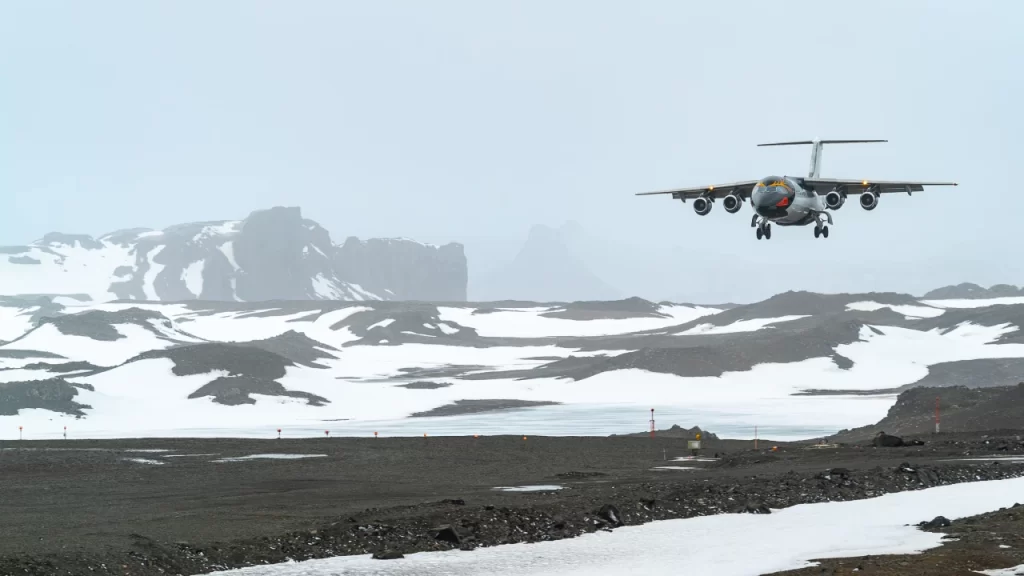
- By air: a 2-hour flight from Punta Arenas to King George Island, followed by embarkation on an expedition cruise.
- By sea: from Punta Arenas or Ushuaia, crossing the Drake Passage (2–3 days).
📌 Punta Arenas is the ideal base: an airport connected with Santiago de Chile.
Ways to travel to Antarctica
Exploring Antarctica is not the same for everyone: some seek a fast, direct experience, others dream of spending more days sailing among glaciers, and some venture farther to discover remote places like South Georgia or the Antarctic Circle.
After knowing what to see, when to go, and how to get there, the big question is:
How do you want to experience your expedition? These are the most common routes, each with its own pace and level of exploration:
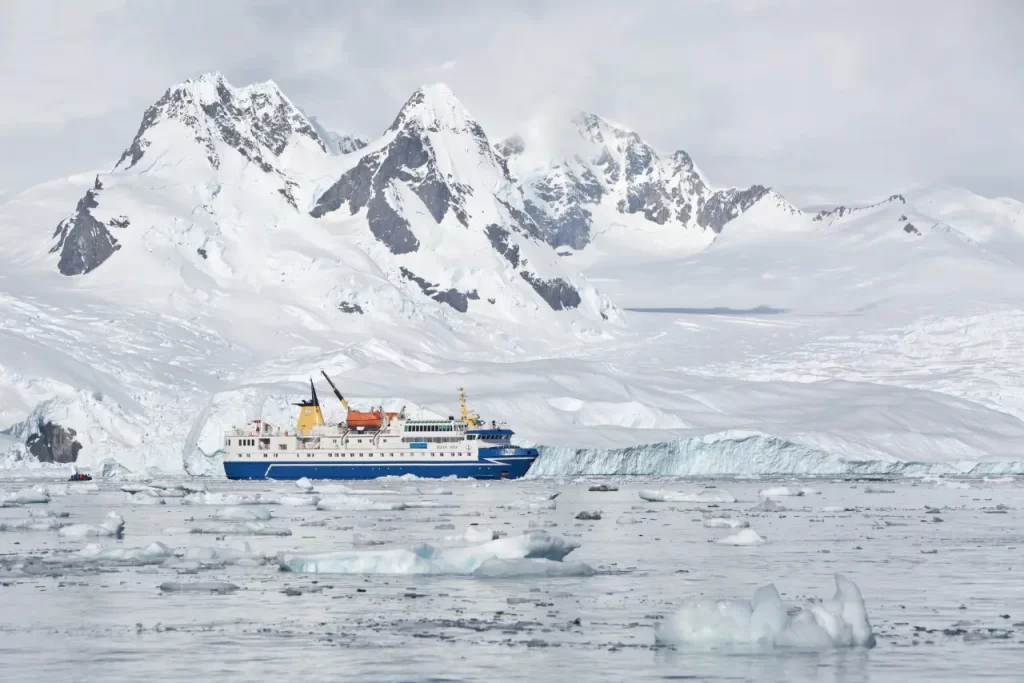
- Classic Antarctica Air-Cruise (8 days, 7 nights): Explore the Antarctic Peninsula in an 8-day journey. Fly from Punta Arenas to King George Island and sail among glaciers, islands, and unique wildlife.
- Antarctica Express Air-Cruise (6 days, 5 nights): A short and accessible introduction to Antarctica. Sail from Ushuaia, cross the Drake Passage, and return by flight from King George Island.
- Antarctica + South Georgia Air-Cruise (18 days, 17 nights): An epic journey combining the best of the Antarctic Peninsula with the landscapes and incredible wildlife of the subantarctic islands.
- Antarctica + Polar Circle Air-Cruise (10 days, 9 nights): A deeper expedition southwards. If conditions allow, you will cross the Polar Circle.
💡 Ecordua can help you choose the perfect route according to your time, interests, and budget.
How to prepare for a trip to Antarctica
Visiting Antarctica takes more than enthusiasm – it requires preparation and anticipation.
- Book in advance: the season is short, spots are limited, and ships are smaller.
- Proper gear: thermal clothing in layers, UV protection, waterproof footwear and clothing.
Protect your electronics: from moisture and cold, as batteries drain faster. - Basic mobility: to enjoy onboard activities and optional excursions.
- Flexibility: the weather rules – adaptability is part of the magic.
- Responsible travel: all passengers must follow biosecurity protocols to protect this fragile ecosystem.
💡 Preparing well not only ensures comfort but also lets you enjoy every moment in the White Continent to the fullest.
FAQs
- Do I need a visa? No, but you need valid documents to enter Chile or Argentina.
- Is it cold in summer? Between -2°C and 8°C, with wind chill making it feel colder.
- Is it safe? Yes, when traveling with authorized operators and following environmental protocols.
- Is there internet? Basic satellite connection, suitable for short messages.
- What is the Drake Passage like? It can be calm or rough; ships are equipped, and most Antarctic itineraries avoid the Drake by flying from Punta Arenas to King George Island.
- What if I get sick on board? There is a doctor and infirmary for basic emergencies, and evacuation protocols for serious cases.
Antarctica awaits
Antarctica is not just a place to visit – it is an experience that transforms you.
Traveling here means taking on the challenge of going further, connecting with the purest nature, and reviving the spirit of great explorers.
More than photos, it’s about memories that change the way we see the planet.
Tailor-made trips
At Ecordua, we design tailor-made trips that combine your Antarctic expedition with unique experiences in Chile: Patagonia, Atacama Desert, cultural routes, and more.
We coordinate all logistics so every moment – on land or on ice – is part of a unique journey.
📩 Your Antarctic adventure begins before you board the ship. Contact us and let’s design an expedition you will remember for a lifetime.