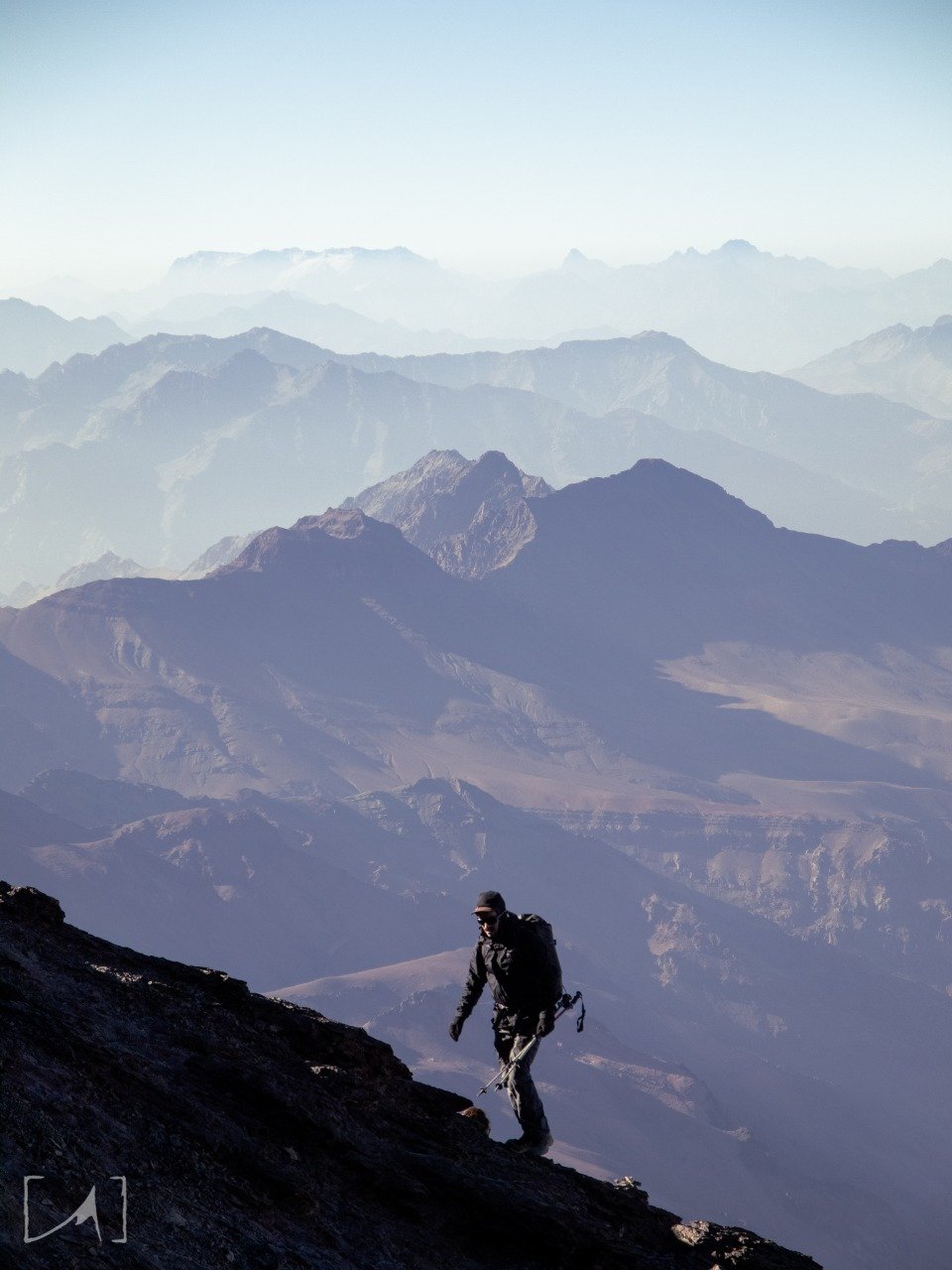
Explore one of the most extreme and fascinating landscapes on Earth.
The Atacama Desert needs no introduction. It is the driest place on the planet—a mosaic of volcanoes, salt flats, geysers, high-altitude lagoons, and endlessly starry skies.
The terrain may resemble Mars, but it’s full of life, ancestral culture, and unforgettable experiences.
From hiking through surreal valleys to soaking in thermal waters above 4,000 meters, this guide will help you plan the perfect adventure—while naturally linking to some of our favorite experiences.
Where is the Atacama Desert and why visit?
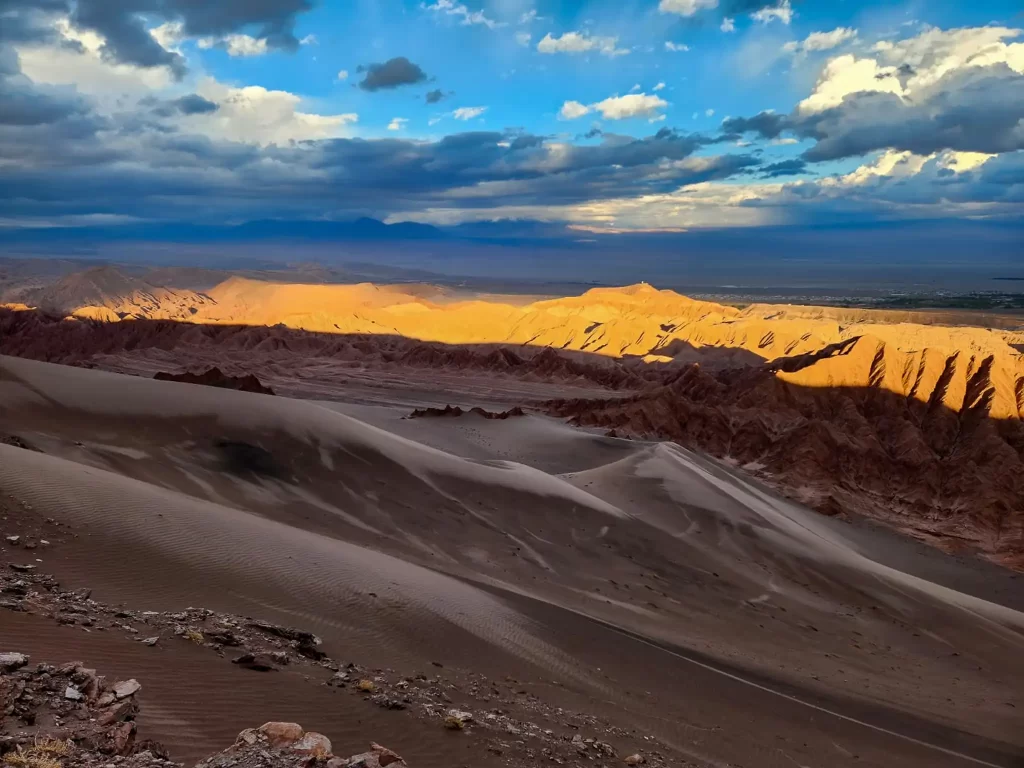
Located in northern Chile, the Atacama Desert stretches over 1,000 kilometers.
Its main tourist hub is San Pedro de Atacama, a small oasis town that serves as a base to explore this one-of-a-kind region.
This destination attracts travelers in search of extreme landscapes, untouched nature, pre-Columbian history, photography opportunities, and unforgettable night skies.
What to see and do in the Atacama Desert
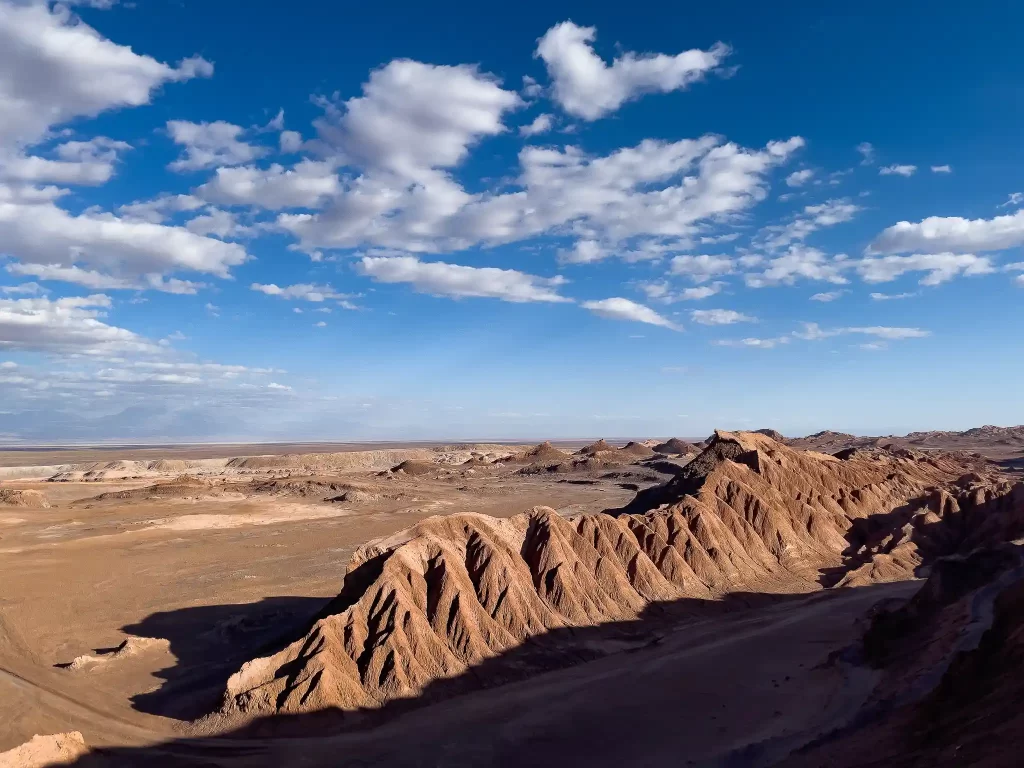
The Atacama is filled with places that look like another planet.
Here are some key areas and must-see experiences to help you imagine your route:
The Altiplano
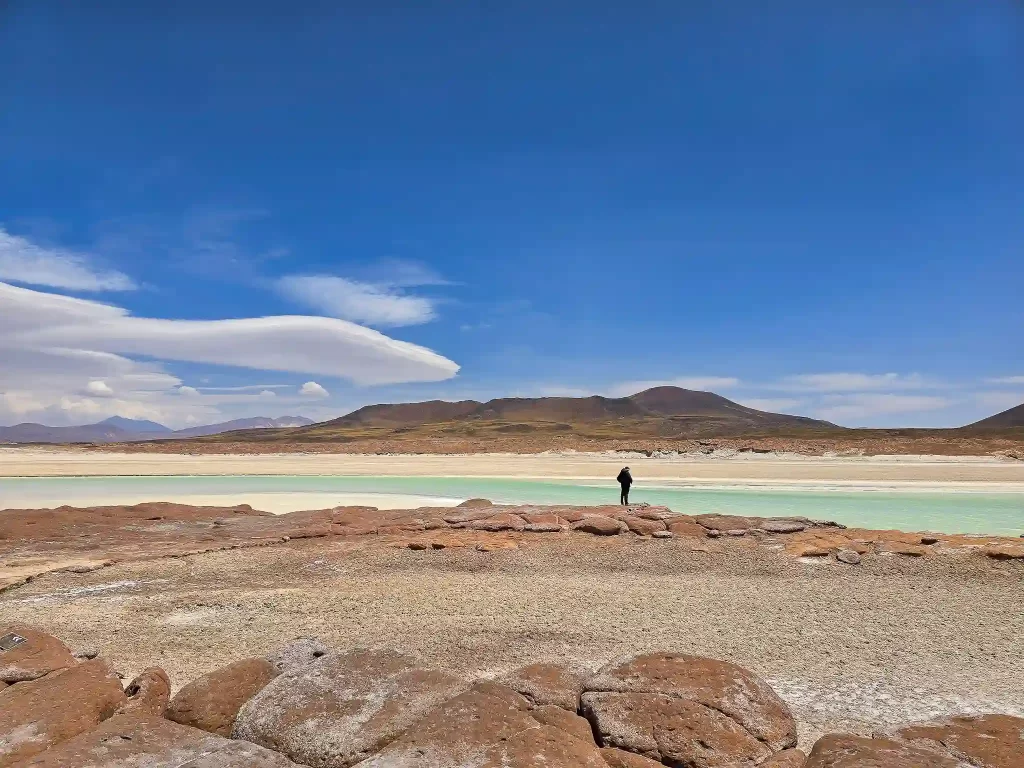
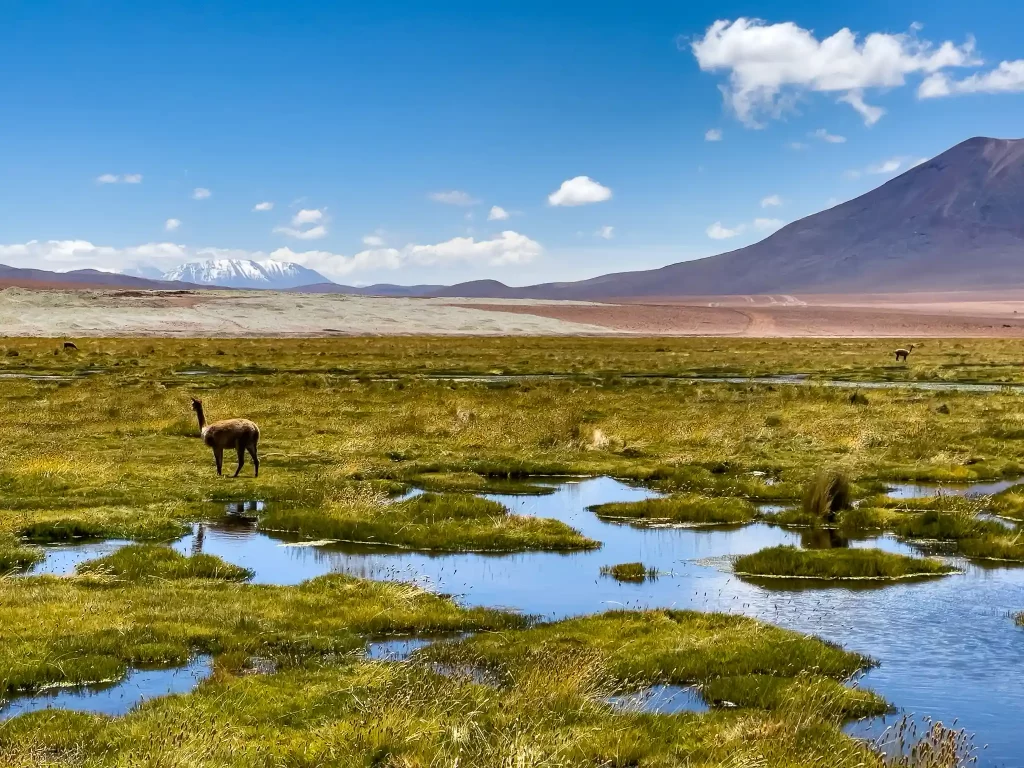
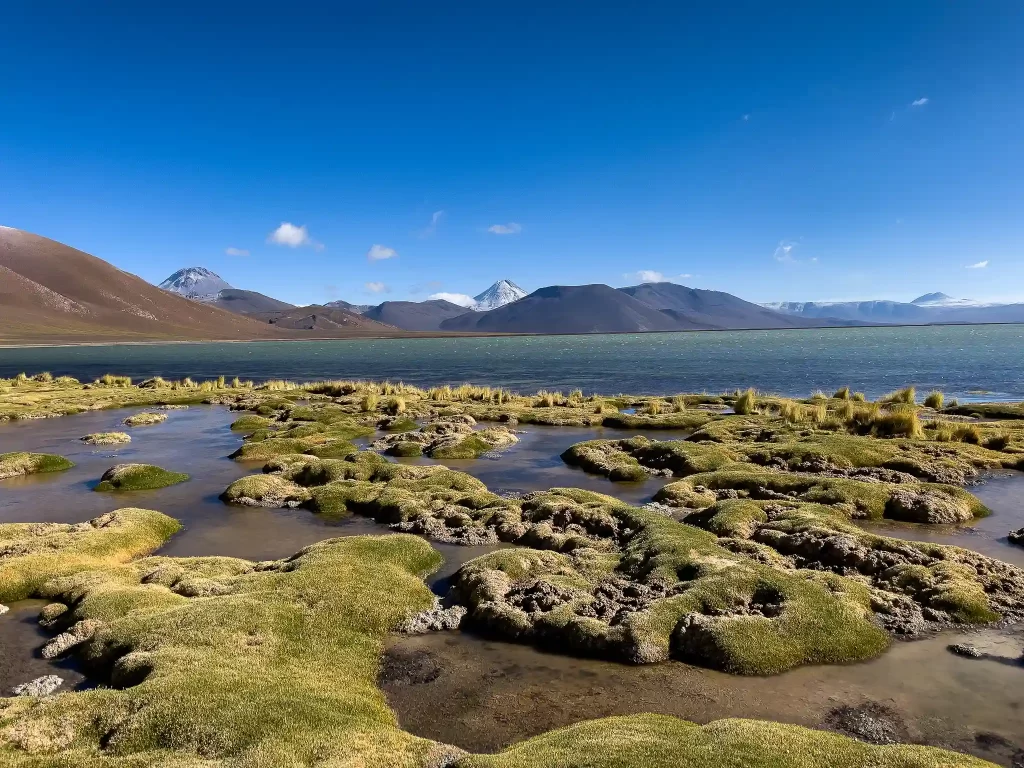
At over 4,000 meters above sea level, the Chilean Altiplano offers an impressive landscape of snow-capped volcanoes, brightly colored lagoons, and remote Andean villages.
You can spot flamingos at Chaxa Lagoon, visit the twin lagoons of Miscanti and Miñiques, or take in epic salt flat views from Piedras Rojas.
→ A full-day private tour like Piedras Rojas & Altiplanic Lagoons or the Desert Heights circuit is a great way to explore this region with comfort and depth.
Geysers and Hot Springs
One of the most awe-inspiring natural events in the region happens at sunrise at the Tatio Geysers, where steam columns burst through subzero air.
Nearby, the Puritama Hot Springs offer a completely different experience: warm thermal pools in a scenic canyon.
→ The geothermal field can be visited early in the morning with breakfast included—ideal for avoiding crowds and enjoying the best light.
Wind-carved valleys and salt mountains
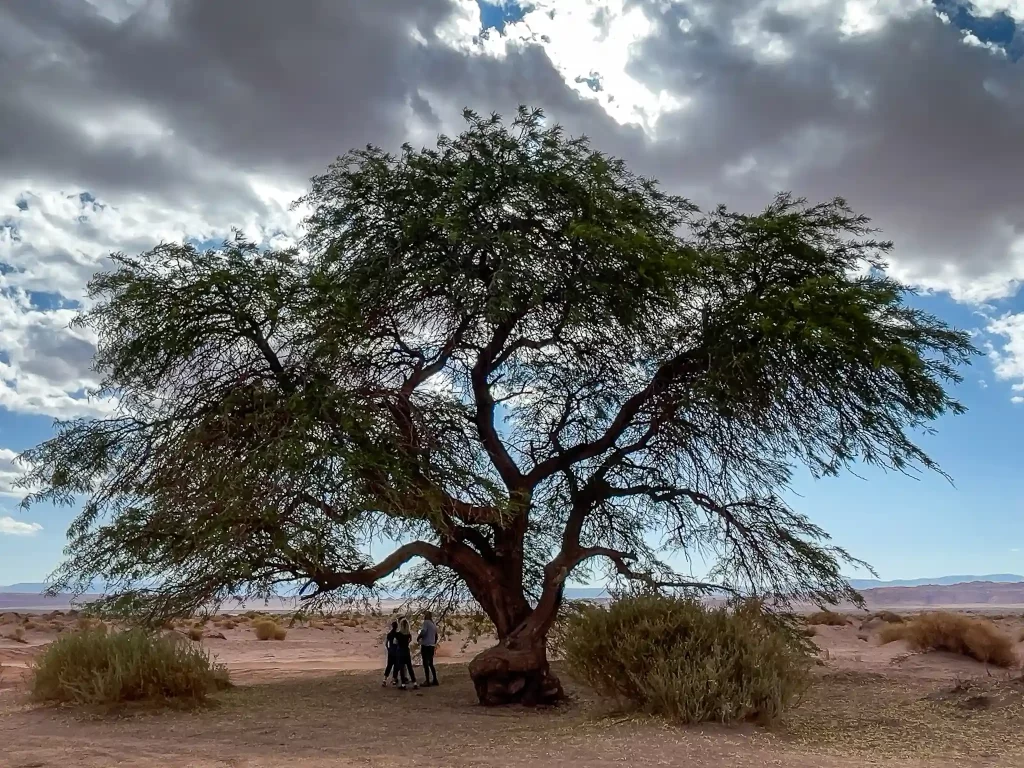
The Salt Mountain Range and the iconic Valley of the Moon show how wind and time have shaped the desert.
Massive dunes, salt formations, and shifting colors await.
→ A sunset walk is a must to see the changing hues.
You can also combine this area with a picnic or a more active route through lesser-known trails, like in our Vallecito & Salt Mountain Range excursion.
Ancestral culture and rock art
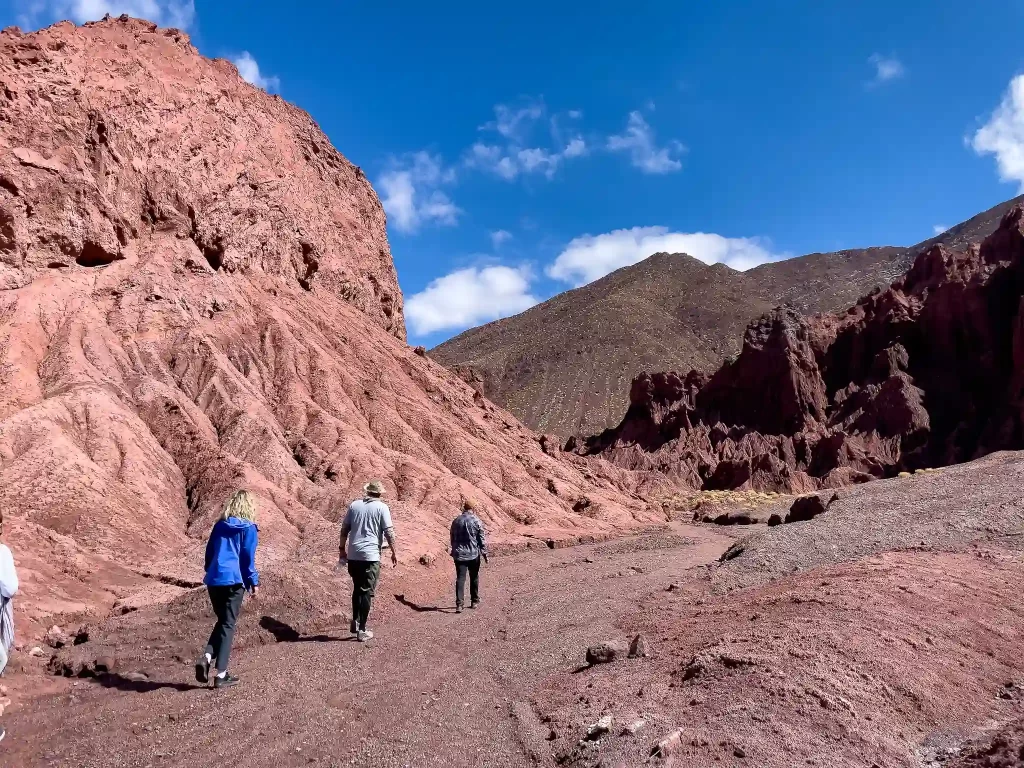
North of San Pedro lies the Rainbow Valley, known for its colorful mineral hills and ancient petroglyphs at Yerbas Buenas—offering a direct link to the region’s earliest inhabitants.
→ For those who love the intersection of culture and nature, guided visits combining these two sites are available as half or full-day options.
Trekking and high-altitude challenges
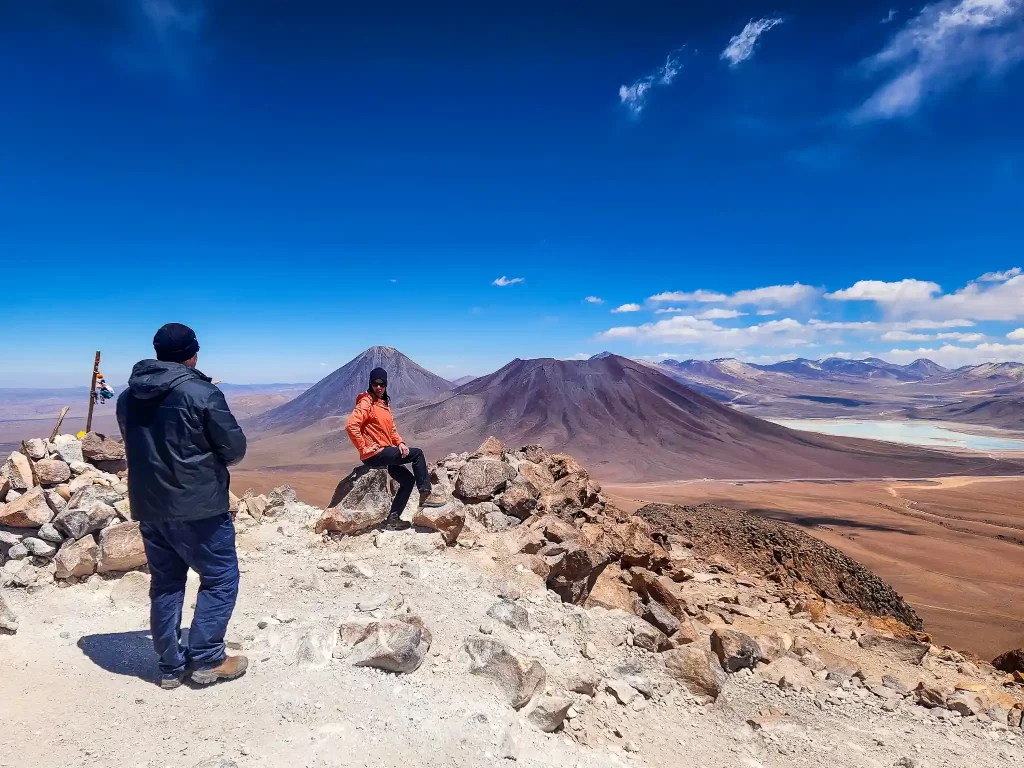
If you’re physically fit and looking for a more active experience, try a high-altitude hike such as the ascent to Cerro Toco, with panoramic views over the Chilean-Bolivian Altiplano.
→ These hikes require previous acclimatization but can be organized with full logistical support and a private guide.
Alternative exploration on bike or foot
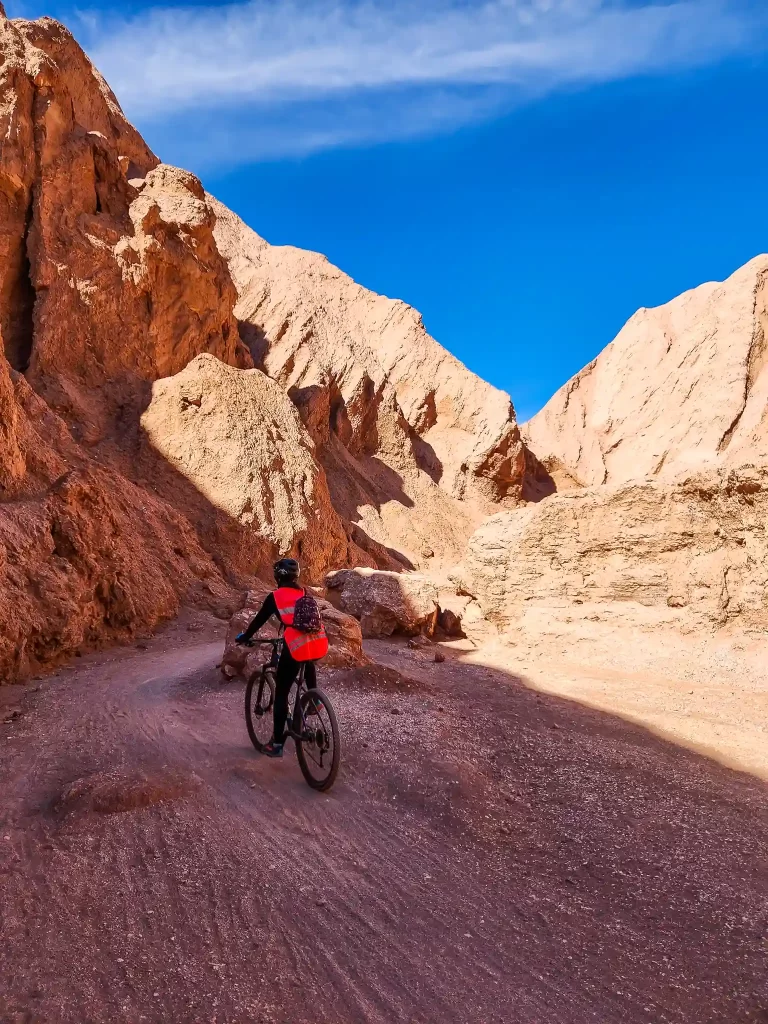
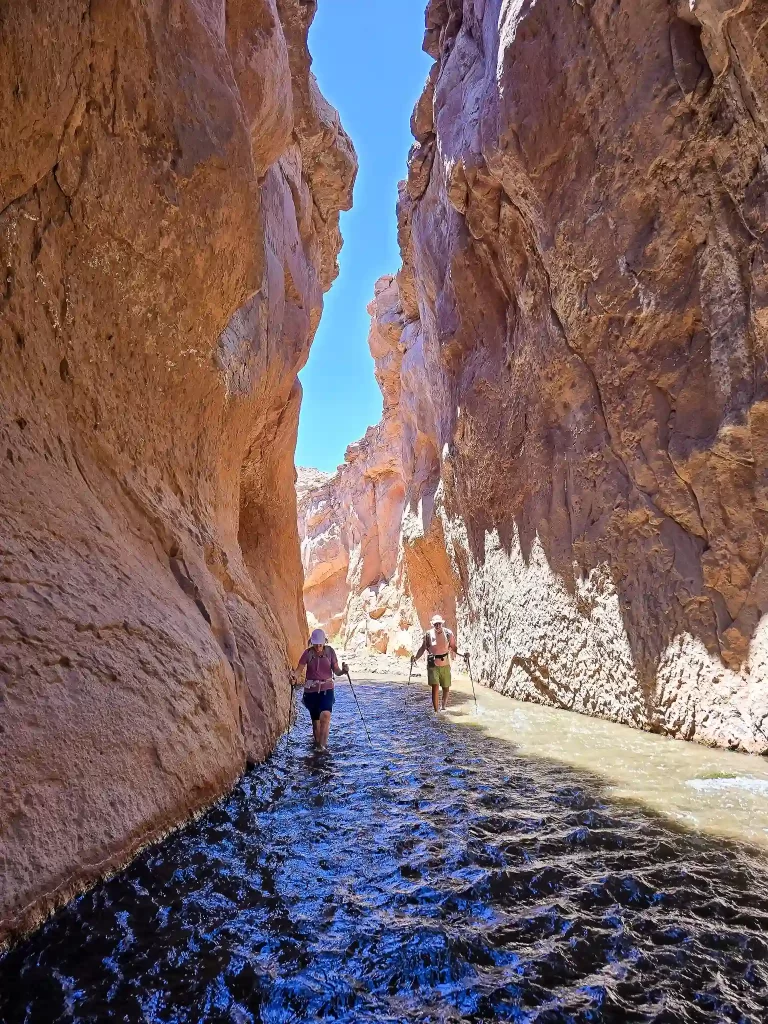
San Pedro also offers calmer, off-the-beaten-path experiences: explore stunning desert terrain on an e-bike, or follow the trail of water through quiet oases and hidden ravines.
→ For something different, we recommend our Water Route or the Atacama E-Bike Tour.
How to plan your trip
How many days do you need in Atacama?
- 3 days: Ideal for the essentials (Tatio Geysers, Moon Valley, Altiplano).
- 5 days: Add trekking, cultural routes, or time to relax.
- 7+ days: Explore at a slower pace, revisit locations at different times of day, and combine excursions with local activities.
When to visit the Atacama Desert
The climate is dry and sunny year-round, but there are seasonal differences:
- Spring and Fall (Mar–Jun / Sep–Dec): Comfortable weather and fewer tourists.
- Summer (Dec–Feb): Potential for high-altitude rain (Altiplanic winter).
- Winter (Jun–Aug): Cold mornings and the clearest night skies.
How to get to San Pedro de Atacama
- Fly to Calama (CJC) from Santiago (approx. 2 hours).
- Transfer to San Pedro by shuttle or private car (1.5 hours).
Plan your adventure with us
This guide is just a starting point.
If you’re looking for a customized itinerary, Ecordua offers tailor-made travel planning to help you explore Atacama (and other destinations in Chile) your way.
Whether you want to travel independently or prefer us to organize everything for you, we’ll help turn your vision into a smooth, meaningful journey.